If you want to understand the true heartbeat of London, you need to see how its neighbourhoods fit together. There is no better way to do this than hopping on Transport for London’s route 3. This journey isn’t just a commute; it is a narrative arc that takes you from the polished, royal streets of the capital’s centre, across the River Thames, and deep into the vibrant, leafy, and artistic communities of South London.
Running between Victoria and Crystal Palace, the number 3 bus offers a front-row seat to the city’s diversity. It trades the grey suits of Westminster for the colourful murals of Brixton and the Victorian grandeur of Crystal Palace. Whether you are a local looking for a low-cost day out or a visitor wanting to see the “real” London beyond the guidebooks, this route delivers in spades.
What makes this route special
The magic of route 3 lies in its transitions. In under an hour (traffic permitting), you travel through worlds that feel entirely distinct yet unmistakably London.
It starts with the pomp and circumstance of Victoria and Westminster, offering classic views of government buildings and historic architecture. However, the highlight for many is the crossing of Lambeth Bridge. Unlike the more crowded Westminster Bridge, this crossing offers a slightly set-back, cinematic view of the Houses of Parliament and the London Eye—perfect for photographers sitting on the top deck.
Once you cross the water, the atmosphere shifts. You move through the cricket heritage of the Oval, the electric energy of Brixton, and finally up into the hills of Crystal Palace, where on a clear day, you can look back and see the entire city skyline you just travelled through.
A route breakdown: from royal roads to panoramic peaks
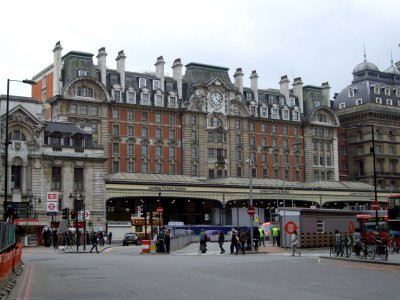
The journey begins in the bustling hub of Victoria. Before boarding, you are right on the doorstep of majestic architecture and the busy transport interchange. As the bus sets off, you quickly find yourself winding through the political heart of the UK in Westminster. Keep your eyes peeled for the stunning Westminster Cathedral and the bustle of civil servants around the Home Office.
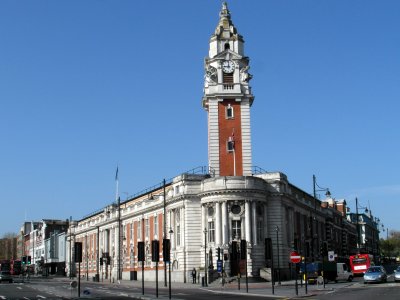
As the bus crosses the Thames, you enter Lambeth. Here, the Lambeth Palace (the official London residence of the Archbishop of Canterbury) stands guard by the river, a hidden gem of medieval history often overlooked by tourists.
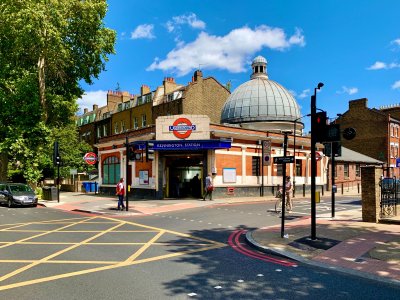
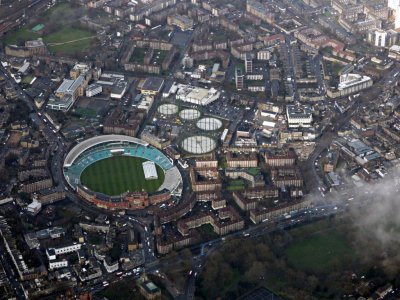
Heading south, the route straightens out towards Kennington and the Oval. Even if you aren’t a sports fan, passing the iconic Oval Cricket Ground is a rite of passage. The area here feels more residential and regency, with beautiful Georgian squares tucked away behind the main road.
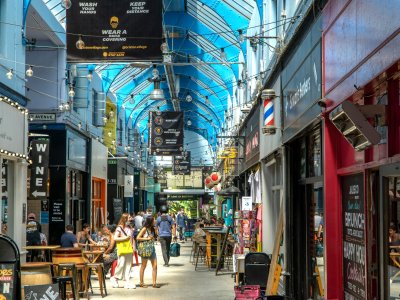
Then, the energy changes completely. You are entering Brixton. The bus weaves through the high street, past the famous O2 Academy and the vibrant markets. The sensory input here is fantastic—the colours, the crowds, and the history of Caribbean culture that shaped this postcode are palpable from your window.
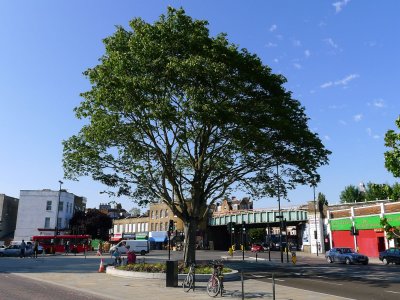
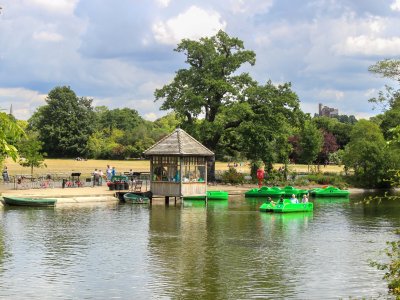
Leaving the hustle behind, the bus climbs towards Herne Hill, skirting the edge of the beautiful Brockwell Park. The architecture shifts to grander Victorian terraces as you move through West Dulwich, a leafy and tranquil enclave that feels a world away from the city centre.
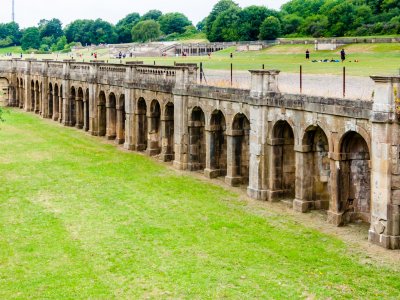
Finally, the engine works a little harder as you ascend to Crystal Palace. The route terminates at the parade, placing you right next to one of London’s most intriguing parks and offering high-elevation views that are hard to beat.
When does the route run?
The number 3 is a workhorse of the South London network. It runs daily, starting very early in the morning (around 5:00 am) and continuing until just after midnight.
Because this is a key arterial route, you rarely have to wait long. During peak hours Monday to Friday, buses run approximately every 8 to 11 minutes. On weekends and in the evenings, the service remains reliable, generally arriving every 12 minutes. This “turn up and go” frequency makes it an excellent option for spontaneous trips; there is no need to obsess over a timetable.
Value for money
In a city known for being expensive, the London bus network remains a bargain. A single fare is just £1.75.
The best part is TfL’s “Hopper Fare.” This allows you to make unlimited bus and tram journeys within one hour for that single £1.75 charge. While the full journey from Victoria to Crystal Palace might take close to an hour depending on traffic, you won’t be charged extra if you stay on the same bus. Furthermore, daily spending is capped, so you will never pay more than the daily limit for bus travel, no matter how many rides you take.
Top tips for the journey
- The front seat advantage: As with all London double-deckers, the front seats on the upper deck are the “golden tickets.” On route 3, this is particularly true for the section crossing the Thames and the approach into Brixton.
- Avoid the rush: The section between Victoria and Brixton can get very busy during commuter hours (8 am–9 am and 5 pm–6 pm). To enjoy the views without standing, try travelling mid-morning or early afternoon on weekdays.
- Look out for the Dinosaurs: When you arrive at Crystal Palace, you are minutes away from the famous Victorian dinosaur sculptures in the park. They are scientifically inaccurate by modern standards but historically fascinating.
Planning a day out on this route
You can easily build a full Saturday itinerary around the number 3 bus.
Start your morning in Victoria with a coffee, perhaps taking a quick walk to gaze at Westminster Abbey. Hop on the bus and head south. Disembark at Brixton for lunch—Brixton Village offers diverse cuisines ranging from Caribbean to Japanese.
After lunch, hop back on the bus (or walk off the calories) towards Herne Hill. If it’s a Sunday, the farmers’ market here is delightful. Finally, take the bus to its terminus at Crystal Palace. spend your afternoon exploring the antique shops on the “Triangle” or walking through the park to find the ruins of the original palace. Watch the sunset over the London skyline before catching the bus back or taking the train home.
Year-round appeal
While the parks at Herne Hill and Crystal Palace are glorious in the summer, route 3 has a distinct charm in the winter months too. The festive lights of Oxford Street are famous, but the lights adorning Brixton High Street and the cosy, village-feel of West Dulwich in December are equally inviting. Plus, seeing the foggy Thames from the warmth of the top deck is a quintessentially moody London experience.