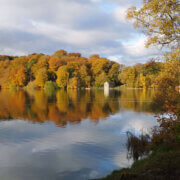

As the days shorten and the leaves turn to gold, it’s the perfect time to pull on your walking boots and head out into the spectacular Cumbrian countryside. And the best part? You can leave the car at home and let the bus take the strain!
We’ve teamed up with award-winning guidebook writer and photographer Vivienne Crow, who has shared ten of her favourite autumn walks, all easily accessible by Stagecoach bus. From gentle rambles around ancient tarns to challenging climbs up famous fells, there’s a route here to suit every ability.
Before you go
Don’t forget to pack a head torch – it gets dark early in the autumn. If you’re planning one of the suggested fell walks, it’s a good idea to check the Adventure Smart website for essential safety advice.
Stagecoach has simplified travel with its national fare-cap scheme, so most journeys cost only £3. Pensioners can travel free with a NoW card. You can find all the bus times on the Stagecoach website or by downloading the Stagecoach Bus app.
The walks
1. Loughrigg Fell: Ambleside’s superb viewpoint
This walk offers incredible all-round views despite the fell’s modest height (1,099ft/335m).
- Bus route: Services 555, 599, 516, or 505 to Ambleside.
- Length/difficulty: 6¼ miles, moderate, approximately 3½ hours.
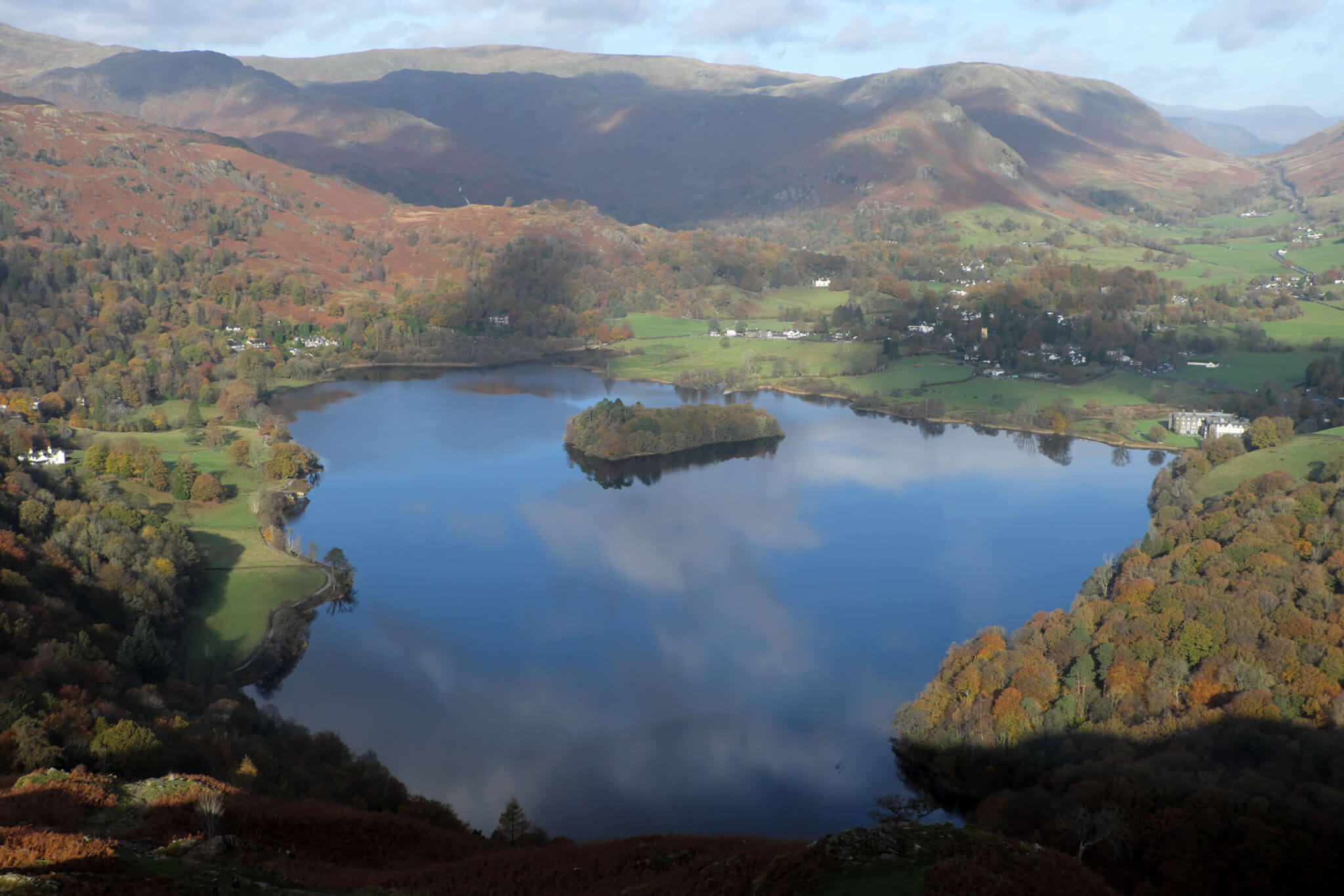
- Highlights: Starting in Ambleside, you’ll pass the high Rydal Caves and climb past Loughrigg Terrace, where you can pause to admire the view of Grasmere and the colourful Penny Rock Wood. The summit itself provides stunning vistas of Langdale, the Helvellyn range, the Coniston mountains, and Windermere. A well-known return route drops you back to the River Rothay.
2. Langdale Waterfalls: A low-level Lake District gem
On a crisp autumn day, this route is sure to feel like one of the best low-level walks in the area.
- Bus route: Service 516 to Elterwater.
- Length/difficulty: 7¼ miles; easy/moderate; approximately 3¼ hours.
- Highlights: Beginning in Elterwater in Great Langdale, you’ll cross to Little Langdale. The only challenging part is a path at the base of Lingmoor Fell, but the effort is rewarded with fantastic views of Little Langdale Tarn, Wetherlam, and Swirl How. You’ll then pass the impressive waterfalls, Colwith Force and Skelwith Force, which look spectacular after autumn rain. Finish your day with a perfect stroll beside the River Brathay and Elter Water, enjoying excellent views of the Langdale Pikes.
3. Wetherlam: A rewarding fell-top adventure
This walk is short but sweet, approaching the 2,503ft (763m) summit of Wetherlam from Coniston.
- Bus route: Service 505 to Coniston.
- Length/difficulty: 6½ miles; moderate/hard; approximately 4¼ hours.
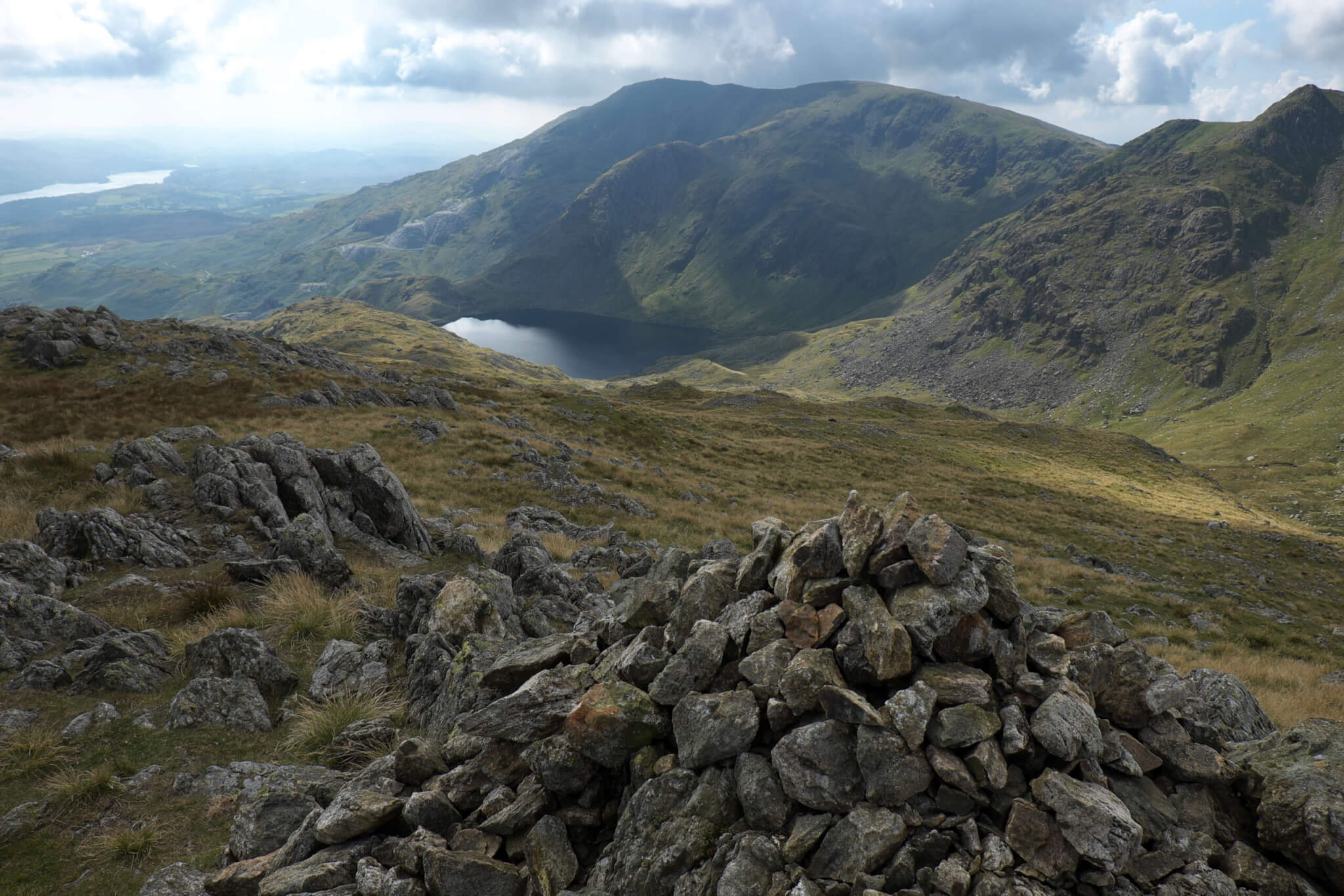
- Highlights: You’ll explore the disused mine workings of Red Dell before heading up Black Sails’ south ridge. This spur is wonderfully quiet and has a grassy trail, making the mile-long climb manageable. From Black Sails (2,444ft/745m), it’s an easy pull to the top of Wetherlam. The summit panorama takes in high fells like the Langdale Pikes, the Helvellyn range, and Blencathra. The return route follows the enjoyable Lad Stones ridge. Back in Coniston, you’ll find plenty of pubs and cafés to enjoy while you wait for your bus.
4. Sergeant Man via Easedale: The hub of the dales
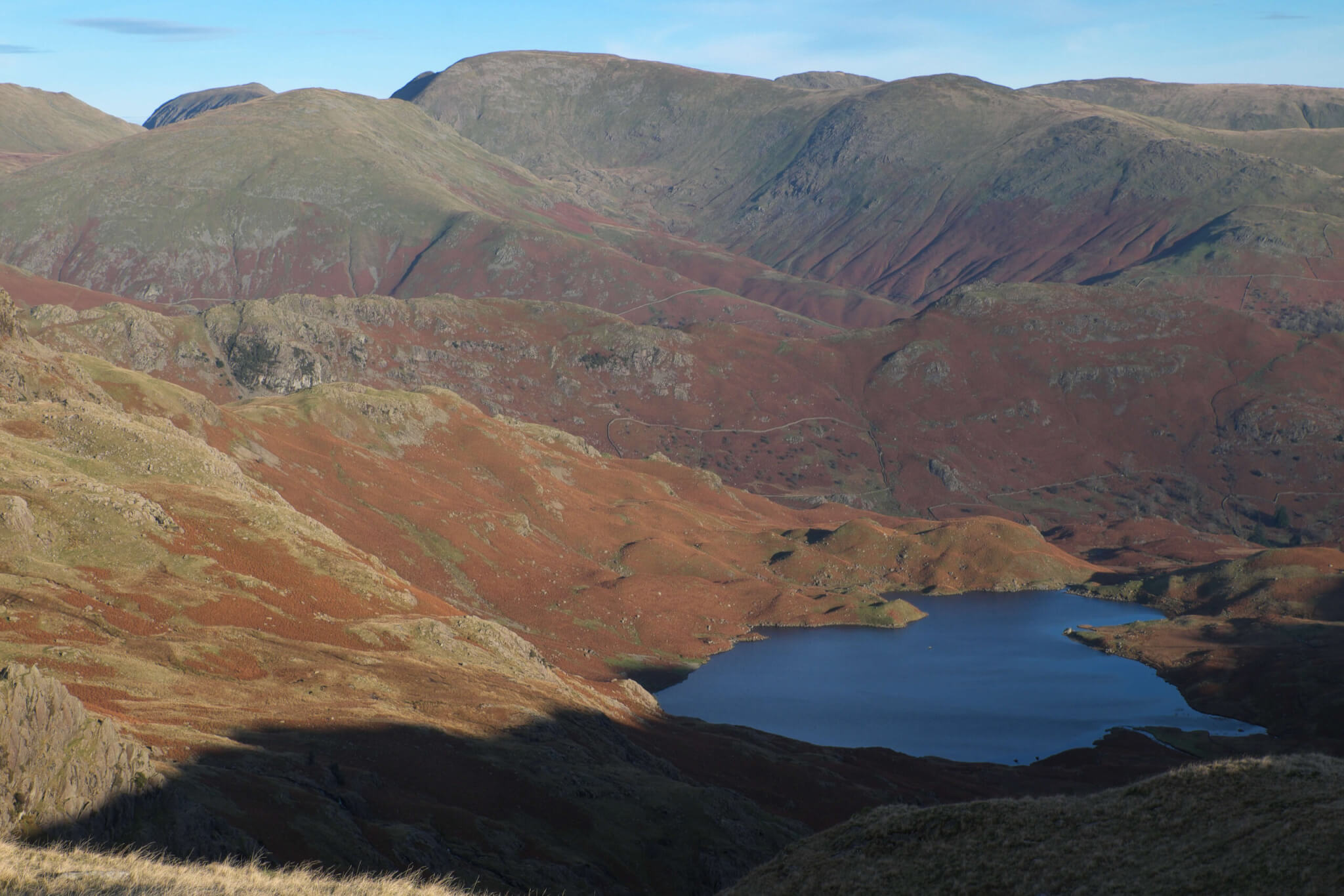
Sergeant Man sits close to the geographical centre of the Lake District, offering views of hills in every direction.
- Bus route: Services 555 and 599 to Grasmere.
- Length/difficulty: 8½ miles; hard; approximately 5¼ hours.
- Highlights: Climb the fell from Grasmere via Easedale Tarn and Blea Rigg. As you traverse the ridge, you’ll be treated to magnificent views of the Langdale Pikes on one side and the Fairfield and Helvellyn ranges on the other. After the summit, a quieter descent takes you down the Tarn Crag ridge and into Far Easedale for a gentle finale. Keep an eye out for red squirrels in the valley, particularly in autumn as they are busy storing food for winter.
5. Borrowdale’s Woods: Autumn’s kaleidoscope
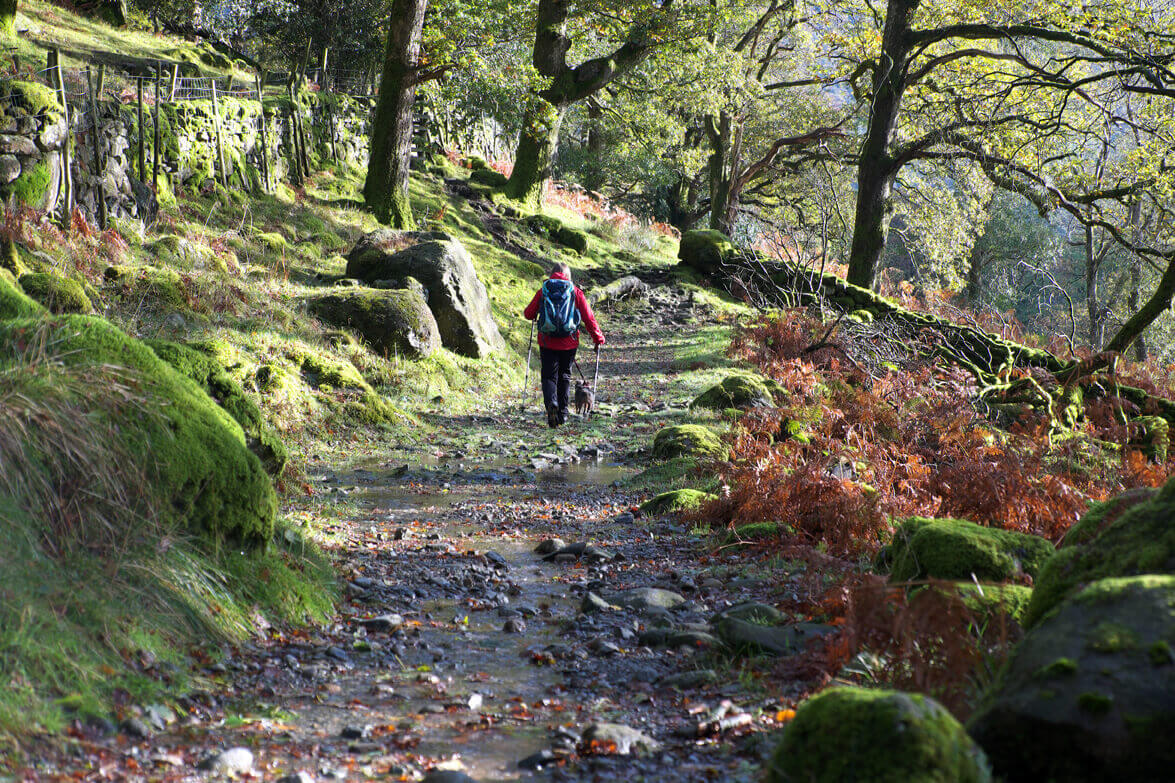
Borrowdale is home to Atlantic oakwoods, recently recognised as one of the new King’s Series of National Nature Reserves. The valley is filled with a stunning mix of oak, birch, ash, yew, larch, and wild cherry, creating an impressive arboreal display in autumn.
- Bus route: Services 77/77A (until 2 November) and 78 to Seatoller.
- Length/difficulty: 4¾ miles; easy/moderate; approximately 2½ hours.
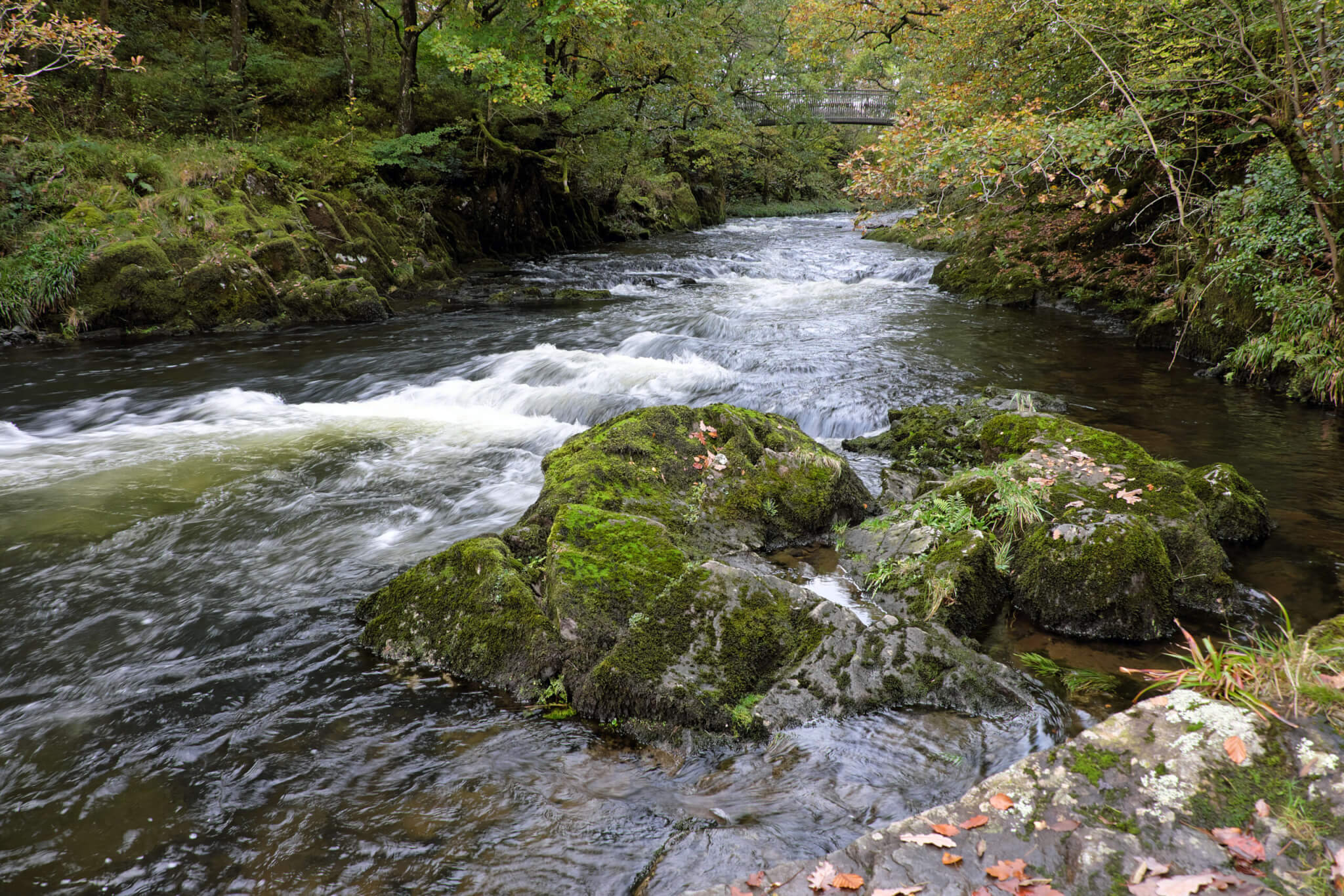
- Highlights: Take a scenic bus ride from Keswick all the way through the valley to Seatoller. From there, you can stroll through ancient woods beside the River Derwent. You’ll skirt the base of Castle Crag, passing old slate quarry workings, before returning on a slightly higher path for a different perspective of the landscape.
6. Skiddaw: A giant above Keswick
Dominating the Keswick skyline, Skiddaw (3,054ft/931m) is England’s fourth-highest mountain.
- Bus route: Services 553, 509, 554, 555, 78, and X4/X5 (plus the 77/77A and 509 until 2 November) to Keswick.
- Length/difficulty: 12½ miles; hard; approximately 7 hours.
- Highlights: You can climb the mountain straight from the town centre. The constructed path up Jenkin Hill, after following the route onto the northern flanks of Latrigg, is straightforward and easy to navigate. For a quieter return, descend via Sale How to Skiddaw House, with great views of Blencathra’s ‘back’. A superb balcony path through the Glenderaterra gap will lead you between the Skiddaw massif and Blencathra. Keswick is the perfect place to refuel afterwards, with everything from fish and chips to fine dining.
7. Sheffield Pike: Superb views of Ullswater
Often overlooked in favour of its higher neighbours in the Helvellyn group, Sheffield Pike is worth the visit for its atmospheric setting and superb views of Ullswater and those neighbouring summits.
- Bus route: Services 508 and 509 to Glencoyne (Service 509 until 2 November).
- Length/difficulty: 6¼ miles; moderate/hard; approximately 3¾ hours.
- Highlights: Ask your bus driver to stop at Glencoyne beside Ullswater. The route heads up past Glencoyne Farm and along the northern slopes of the pike. You’ll soon be rewarded with views east towards Ullswater and the North Pennines. The rugged Helvellyn dominates the outlook as you begin your descent. Drop past disused mine workings and a juniper forest, and finish with an easy stroll along the lightly wooded shores of Ullswater.
8. Hartsop Dodd and Gray Crag: Two superb ridges
A classic Lake District challenge, these fells rise on either side of Pasture Beck, linked by the rocky saddle of Threshthwaite.
- Bus route: Service 508 to Hartsop (until 2 November).
- Length/difficulty: 6 miles; hard; approximately 4½ hours.
- Highlights: This six-mile route combines striding along two superb, grassy ridges—Hartsop Dodd and Gray Crag—with clambering across the challenging gap that separates them. An extra treat at this time of year is the eerie sound of red deer stags bellowing during the annual rut.
9. Talkin Tarn from Brampton: A gentle beauty spot
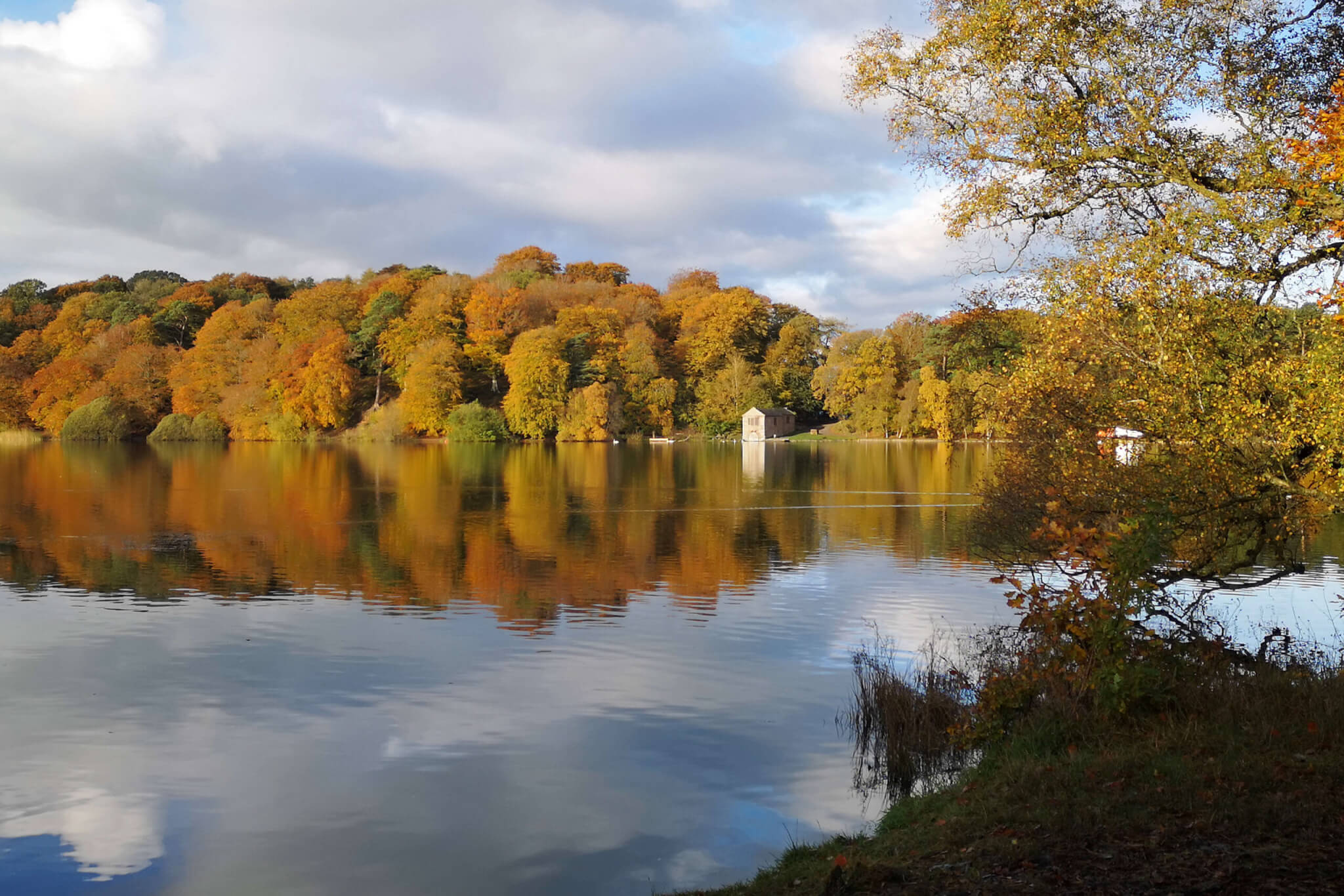
Almost everyone in north-east Cumbria loves Talkin Tarn, but few realise that the walk to it from the nearby market town of Brampton is a joy in itself.
- Bus route: Service 685 to Brampton.
- Length/difficulty: 6¼ miles; easy; approximately 2¾ hours.
- Highlights: The route heads south-east from the town using quiet lanes and the bed of a disused railway. You’ll skirt Rowbank Wood to reach the tarn, which sits close to the North Pennines. Enjoy a warming coffee at the waterside café before completing a slow, gentle circuit of the tarn. The return to Brampton is filled with superb paths where you can kick your way through the fallen leaves of oak, sycamore, and beech trees. If you enjoy birdwatching, bring your binoculars—the tarn is home to a large variety of waterfowl.
10. Furness Abbey: History and woodland
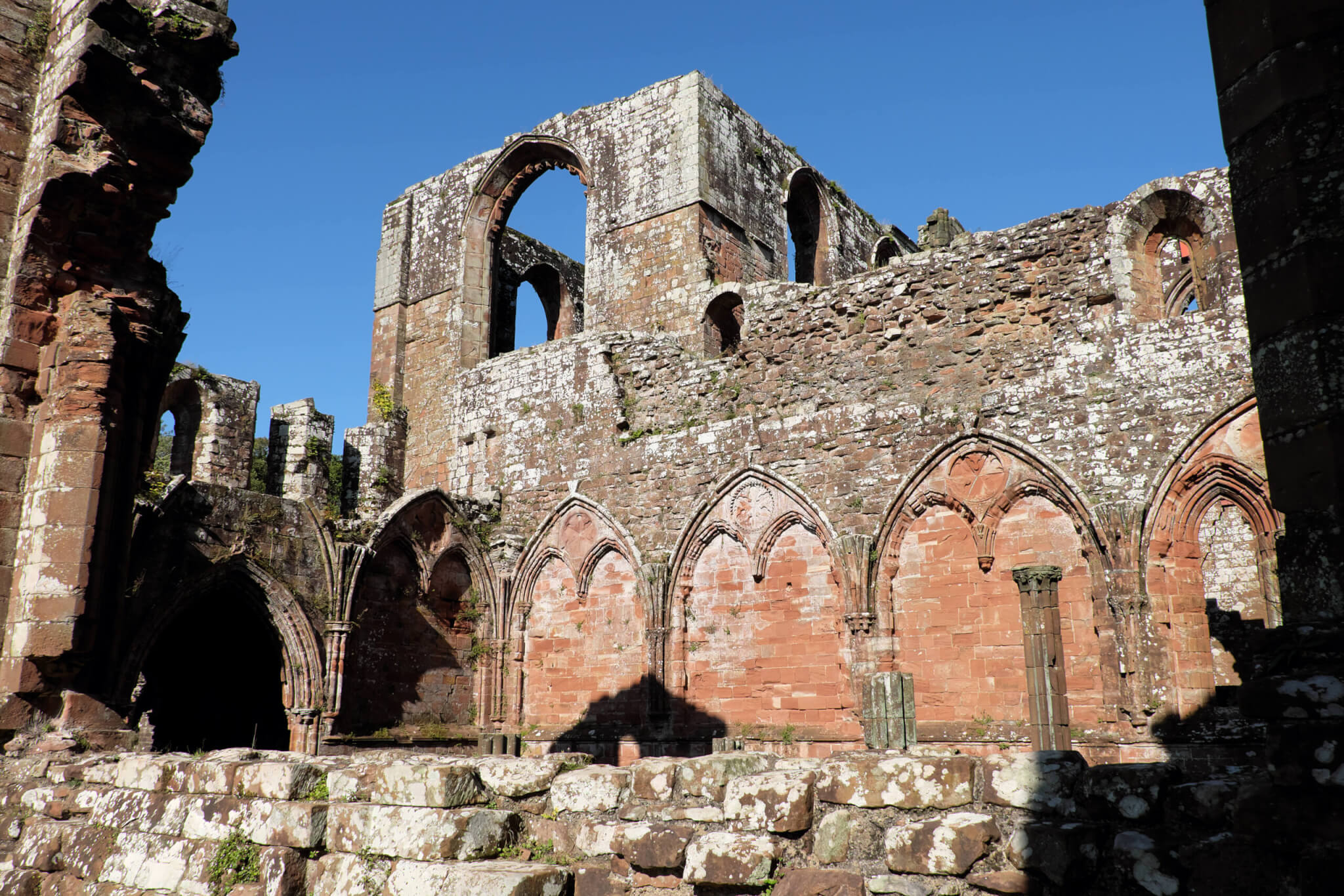
Established in the 12th century, Furness Abbey was one of the richest and most powerful Cistercian monasteries in northern England.
- Bus route: Services 1, 2, 3, 4, 5, 6, 7 & X6 serving Barrow-in-Furness.
- Length/difficulty: 8 miles; easy/moderate; approximately 3¼ hours.
- Highlights: You can reach the abbey’s striking red sandstone ruins on foot from the centre of Barrow-in-Furness. Combine your visit with a wander around the historic Abbotswood woodland, which features exotic species planted by James Ramsden, Barrow’s first mayor. The return route follows Mill Beck and the Bay Cycle Way through the docks, where you can call in at the fascinating Dock Museum if time allows.
Inspired by Vivienne Crow’s suggestions? Check out The Lakes By Bus guide for even more information and inspiration.