When you picture a ferry crossing, you might imagine a long voyage across open seas, bracing against the wind. But sometimes, the most essential and charming water crossings are the shortest. Enter the Cowes Floating Bridge—a unique, rattling, and vital artery that connects the two halves of the Isle of Wight’s most famous maritime town.
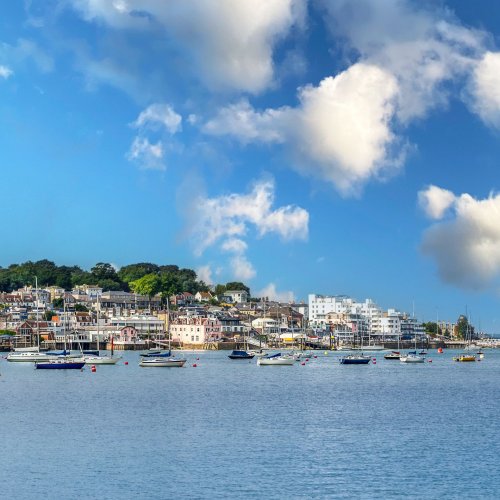
For visitors to the island, the River Medina cuts right through the heart of the area, creating two distinct destinations: the bustling, yacht-filled town of Cowes (West) and the historic, royal retreat of East Cowes. While you could drive a ten-mile round trip via Newport to get from one side to the other, the Floating Bridge shuttles you across in a matter of minutes. It is more than just transport; it is a quirk of island life that offers some of the best harbour views you can get without owning a boat.
What makes this route special
The Cowes Floating Bridge isn’t a standard boat; it is a chain ferry. This means the vessel pulls itself across the river using massive chains that sink to the riverbed when not in use to allow other marine traffic to pass. It is one of the few remaining chain ferries in the UK, making it a bit of a mechanical marvel for transport enthusiasts.
What truly makes this short hop special, however, is the perspective it gives you. You are crossing one of the world’s premier sailing harbours at water level. On a sunny day, you are weaving between racing yachts, dinghies, and the massive Red Funnel ferries heading to Southampton. It is a front-row seat to the nautical hustle and bustle that defines the Isle of Wight, all for the price of a pocket change.
A route breakdown of key locations
The route is incredibly simple, covering just over 100 metres across the River Medina, but the two terminals serve very different atmospheres.
West Cowes (Medina Road)
On the west bank, you land right on the edge of the main town. Cowes is the social hub, famous for Cowes Week, its pedestrianised High Street, and an array of independent boutiques, pubs, and sailing clubs. The floating bridge terminal here is a short walk from the Red Jet high-speed terminal and the Parade, where you can watch the Solent sunset.
East Cowes (Ferry Road)
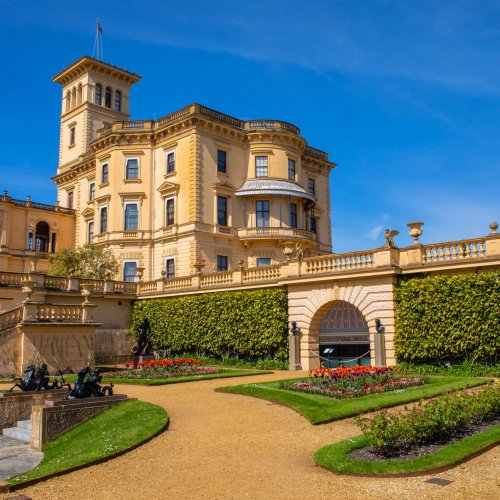
Alighting on the east bank, the vibe shifts to one of history and industry. East Cowes is the gateway to Queen Victoria’s beloved Osborne House. The terminal here drops you right next to the Red Funnel vehicle ferry terminal and the impressive Columbine Building, adorned with the giant Union Jack doors, a reminder of the island’s boat-building and hovercraft heritage.
When does the route run
One of the best things about the Floating Bridge is that it runs all day, seven days a week, serving as a lifeline for locals and a convenience for tourists.
Generally, the service operates from early morning (around 05:00 on weekdays) until late at night (often past midnight on Fridays and Saturdays). This makes it perfect for those staying in East Cowes who want to enjoy a dinner or a night out in West Cowes without worrying about an expensive taxi ride home.
However, do note that the service schedule can vary slightly on Sundays and Bank Holidays, usually starting a little later around 06:30.
Service frequency and connections
You never have to wait long for the “floater,” as it is affectionately known. The crossing takes less than three minutes, and during peak times, it shuttles back and forth continuously.
Frequency:
- Peak times: Approximately every 10 to 15 minutes.
- Off-peak: Runs at scheduled intervals, usually every 15-20 minutes depending on the time of day.
Connections:
This ferry is the missing link in the island’s public transport network.
- From West Cowes: It connects foot passengers to the Southern Vectis Route 1 (to Newport).
- From East Cowes: It connects to Routes 4 and 5, which can whisk you away to Ryde or Osborne House.
If you are travelling car-free, using the Floating Bridge allows you to loop the northern tip of the island easily, hopping between the bus networks of the east and west.
Value for money
If you are exploring the island on foot, the Floating Bridge offers exceptional value.
For foot passengers, a return ticket is very affordable (usually under £2.00), and if you just want a single crossing, it costs mere pennies. Cyclists can also bring their bikes across for a small surcharge, which is fantastic if you are tackling the Red Squirrel Trail.
Tickets can be purchased on the shore side via self-service machines, and the staff on board also accept contactless payments, making it incredibly easy to hop on. If you are a regular user, there are “saver cards” available, but for the casual tourist, the standard fare is a bargain for the time it saves.
Top tips for the journey
While the journey is short, a few local tips can make it smoother:
- Go upstairs: If you are a foot passenger, head to the upper deck walkways. The views of the marina and up the river toward the Classic Boat Museum are far better from here than from the car deck.
- Check the status: The current vessel (Floating Bridge No. 6) has had a rocky history with maintenance. Occasionally, the bridge is taken out of service for maintenance or due to very fast tidal flows. When this happens, a replacement foot passenger launch (usually the “Jenny Lee”) runs the route instead. It’s just as fun, but good to know in advance. You can check the “Cowes Floating Bridge” status online or via the local council app.
- Watch the chains: If you are standing on the slipway waiting to board, keep clear of the chains as they rise from the water. They bring up mud and seaweed, and you don’t want to be splashed!
- Have card ready: To keep the service moving swiftly, have your contactless card or payment device ready as you board.
Planning a day out on this route
The Floating Bridge essentially gives you two holidays in one. Here is a suggested itinerary for a perfect day:
Morning: Royal History in the East
Start your day in East Cowes. Take the bus or walk up the hill to Osborne House. You can easily spend three hours exploring Queen Victoria’s palatial holiday home and her private beach.
Lunch: The Crossing
Walk back down to the river and hop on the Floating Bridge. Enjoy the brief respite and the fresh sea air as you cross the Medina.
Afternoon: Nautical Vibes in the West
Disembark in West Cowes. Walk along the High Street, grab some fish and chips, or sit with an ice cream on the Green watching the yachts race. If you are feeling adventurous, walk along the promenade toward Egypt Point for panoramic views of the Solent.
Evening: Sunset and Supper
Stay in West Cowes for dinner at one of the many seafood restaurants, then take a late Floating Bridge back to East Cowes under the moonlight.
Year-round appeal
While Cowes is undeniably buzzy in the summer, especially during the regattas in August, the Floating Bridge is a year-round service.
In the winter, the crossing has a moody, atmospheric charm. The river is quieter, the lights of the town reflect on the dark water, and the pubs on either side offer roaring fires. Because it serves commuters and school children, you don’t have to worry about “seasonal closures” that affect other tourist attractions. Whether you are visiting for the summer sun or a crisp winter walk, the chain ferry is ready to chug you across the Medina.