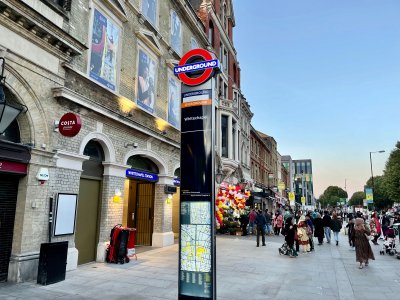
If you are looking for a railway line that perfectly encapsulates the diversity, history, and creative spirit of London, look no further than the Windrush line. Operated by Transport for London (TfL) as part of the London Overground network, this route—identified by its distinctive red parallel lines on the map—is far more than just a commuter artery. It is a cultural corridor connecting the leafy squares of Islington, the hipster havens of the East End, the historic docklands, and the green hills of South London.
Formerly known simply as the East London Line, the route has been renamed the Windrush line to honour the Windrush generation and their immense contribution to the capital, particularly in the areas this line serves. Whether you are a local looking for a new weekend adventure or a visitor wanting to see the “real” London beyond the postcard landmarks, this line offers an unforgettable journey.
What makes this route special
The Windrush line is unique in the London rail network for its dramatic shifts in atmosphere. In under an hour, you travel from the Georgian terraces of Highbury, through the gritty-glamorous streets of Shoreditch, dive under the River Thames via an engineering marvel, and emerge into the suburban calm of Crystal Palace and Croydon.
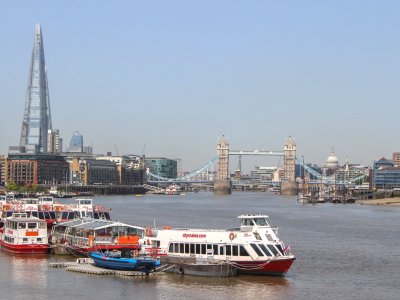
The route is steeped in history. The section between Wapping and Rotherhithe runs through the Thames Tunnel, built by Sir Marc Isambard Brunel and his son Isambard Kingdom Brunel. Opened in 1843, it was the first tunnel ever constructed under a navigable river. Today, travelling through this Victorian masterpiece is a highlight of the journey, even if it happens in the blink of an eye.
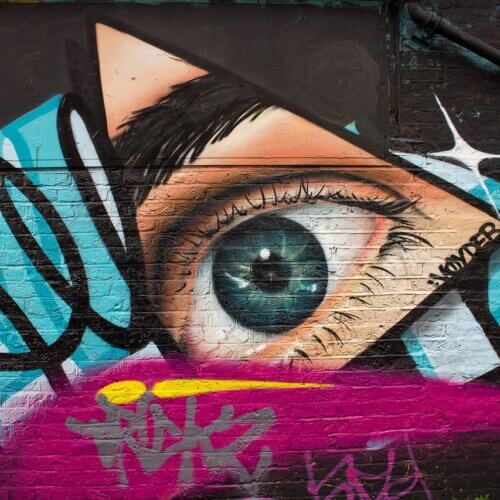
Beyond the engineering, the line is a “who’s who” of London’s coolest neighbourhoods. It serves the markets of Dalston, the street art of Hoxton, and the museums of Forest Hill, making it perhaps the best line for a “hop-on, hop-off” day of exploration.
Route breakdown: from North to South
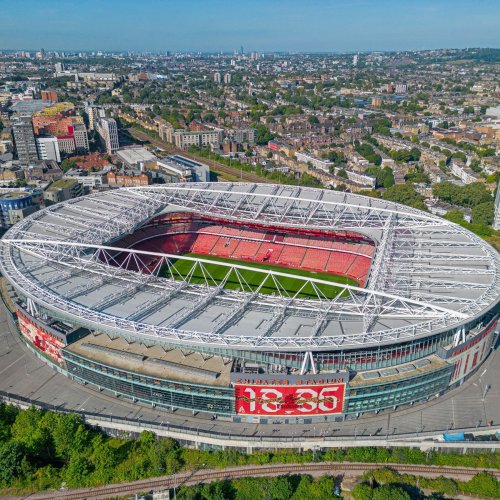
The journey begins at Highbury & Islington, a bustling interchange that sits on the edge of Upper Street’s famous dining scene. From here, the train glides to Canonbury, a quieter, leafy stop that hints at the residential elegance of North London.
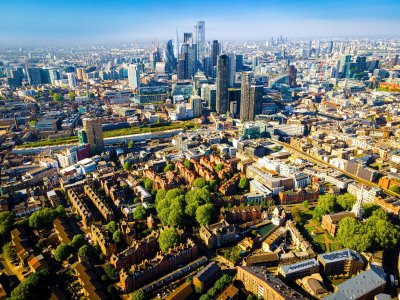
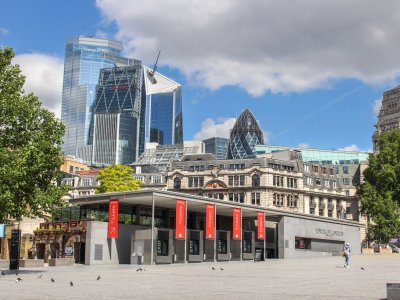
As you head south, the energy shifts. Dalston (served by Dalston Junction, though the line connects seamlessly) is the heart of London’s alternative nightlife and Caribbean culture, fitting for the line’s new name. Continuing through Haggerston and Hoxton, look out the window. The train runs on a viaduct here, offering fantastic elevated views of renovated warehouses, street art murals, and the City skyline looming in the distance.
Shoreditch High Street is the gateway to vintage markets and artisan coffee, buried right in the middle of Zone 1. The line then dips underground to reach Whitechapel, a historic East End hub, and Shadwell, before reaching the riverside at Wapping.
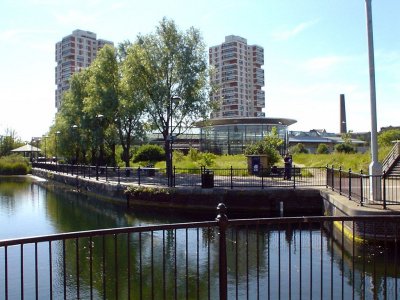
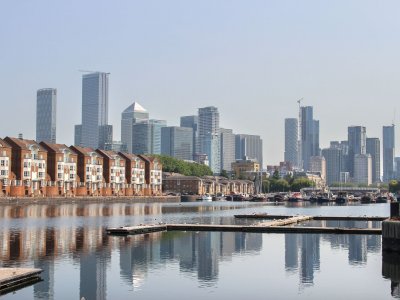
After zooming under the Thames, you arrive at Rotherhithe and Canada Water, where the old docks have been transformed into modern lakes and wildlife reserves. Surrey Quays marks the end of the “core” section before the line splits.
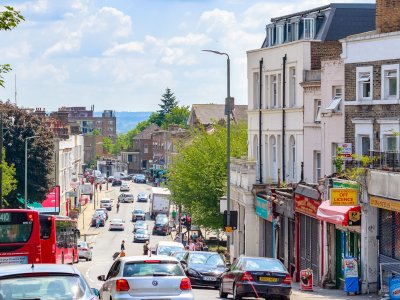
Heading south, the train calls at New Cross Gate, a vibrant student hub thanks to Goldsmiths University. Then begins the gentle climb through the Victorian suburbs: Brockley, with its village feel; Honor Oak, famous for One Tree Hill; and Forest Hill, home to the quirky Horniman Museum.
From Sydenham, the route forks. One branch takes you to the magnificent Crystal Palace station, a Victorian relic itself, serving the famous park. The other branch continues through Penge West, Anerley, and Norwood Junction before terminating at West Croydon, a major commercial hub with excellent tram connections.
When does the route run
The Windrush line is one of the hardest-working routes in London. Services typically start around 05:30 in the morning and run until just after midnight.
On Fridays and Saturdays, the line transforms into the Night Overground. Trains run 24 hours between Highbury & Islington and New Cross Gate, making it a lifeline for night owls enjoying the nightlife in Dalston and Shoreditch. Note that the night service does not currently extend all the way to Crystal Palace or West Croydon, so check your journey planner if you are heading deep south after 3 am.
Service frequency and connections
One of the best things about this line is the “turn-up-and-go” frequency.
- Core Section (Dalston to Surrey Quays): You will rarely wait more than 3-5 minutes, with roughly 16 trains per hour in peak times.
- Southern Branches: The service splits after Sydenham. Trains to Crystal Palace and West Croydon usually run every 15 minutes, so it’s worth checking the destination board before you board.
The line is a connectivity monster. You can swap to the Victoria Line at Highbury, the Elizabeth Line at Whitechapel, the Jubilee Line at Canada Water, and the DLR at Shadwell. At West Croydon, you can hop straight onto the London Trams network.
Value for money
The Windrush line is fully integrated into London’s fare system. You can use your Oyster card, contactless bank card, or smartphone to pay.
- Zones: The route traverses Zones 1 to 5. Shoreditch High Street is in Zone 1, which means if you travel through it, you pay a Zone 1 fare. However, for many local trips (e.g., Brockley to Canada Water), it is excellent value.
- Capping: Your fares contribute to your daily and weekly cap, ensuring you never pay more than the price of a Travelcard.
- Off-peak: Travelling after 09:30 on weekdays or anytime on weekends is cheaper and the trains are less crowded.
Top tips for the journey
- Window Seat is Key: If you are travelling southbound from Highbury, sit on the left side of the train for the best views of the City of London skyscrapers as you pass through Hoxton and Shoreditch.
- Look for the Lights: As you travel between Wapping and Rotherhithe, look out for the illuminated arches inside the Thames Tunnel—a nod to its history as a pedestrian tourist attraction in the 1840s.
- Avoid the Rush: The section between Canada Water and Shoreditch can get incredibly busy during commuter peak hours (08:00–09:00 and 17:30–18:30). Travel off-peak for a more relaxed “scenic bus on rails” experience.
Planning a day out on this route
The Windrush line is effectively a pre-packaged day trip itinerary. Here is a perfect Saturday plan:
- Morning: Start at Forest Hill. Walk up to the Horniman Museum to see the famous overstuffed walrus and enjoy panoramic views of London from the gardens.
- Lunch: Hop on the train north to Haggerston or Dalston. Both areas are packed with incredible bakeries, brunch spots, and Caribbean food stalls.
- Afternoon: Head south one stop to Shoreditch for some vintage shopping, or continue to Rotherhithe to visit the Brunel Museum and learn about the tunnel you just travelled through.
- Evening: Finish at Crystal Palace. Wander around the park to find the Victorian dinosaur sculptures, then grab dinner in the “Triangle”—a collection of varied restaurants and gastropubs just a short walk from the station.
Year-round appeal
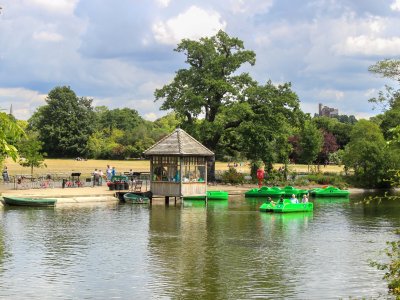
While the parks at Crystal Palace and Forest Hill shine in the summer, this route is just as good in the winter. The train offers a warm, reliable way to hop between cosy pubs in Highbury, museums, and the covered markets of the East End. Plus, the views of the glittering City lights from the Shoreditch viaduct are arguably better on a crisp, dark winter evening.
Whether you are commuting or exploring, the Windrush line (South) offers a slice of London life that is vibrant, diverse, and always moving. Tap in and enjoy the ride.