The Circle Line: London’s historic sightseeing loop
The yellow line that connects it all
If you are looking for the perfect way to navigate London’s most iconic landmarks without getting wet, stuck in traffic, or paying for an expensive tour bus, look no further than the Circle Line.
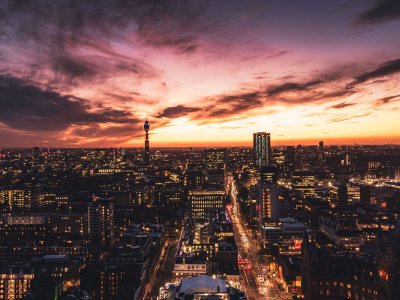
Far more than just a commuter artery, this historic London Underground route—coloured a sunny yellow on the map—acts as a “hop-on, hop-off” service for the capital’s greatest hits. From the royal grandeur of Kensington and Westminster to the gritty cool of King’s Cross and the gleaming towers of the City, the Circle Line ties them all together in one convenient package.
What makes this route special
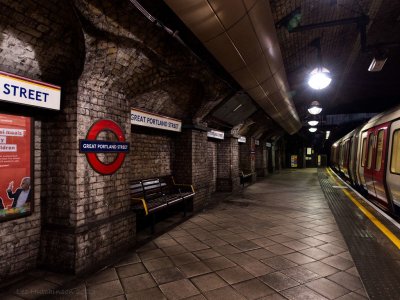
The Circle Line is unique in London’s transport network. Unlike the deep-level “tube” lines that run in narrow, dark tunnels far underground, the Circle Line is a “sub-surface” railway. This means it runs just beneath the street, often in wide, brick-lined tunnels or open-air cuttings that let the sunlight in.
It operates using the modern S7 Stock trains. These are spacious, walk-through carriages with big windows and, crucially, air conditioning—a luxury not found on many of the deeper lines. This makes it one of the most comfortable ways to travel across the city, especially in summer.
Ideally suited for visitors, the route traces the boundary of Zone 1, effectively circling the very heart of London. It connects almost all of London’s major railway terminuses, making it the ultimate connector for day-trippers.
A route breakdown: The ‘teacup’ shape
Despite its name, the Circle Line is no longer a simple closed loop. Since 2009, it has operated in a “lasso” or “teacup” shape. Trains begin out west at Hammersmith, travel along the “handle” to Edgware Road, and then complete a full loop around central London before terminating back at Edgware Road.
Here is what you can expect along the journey:
The Western Tail
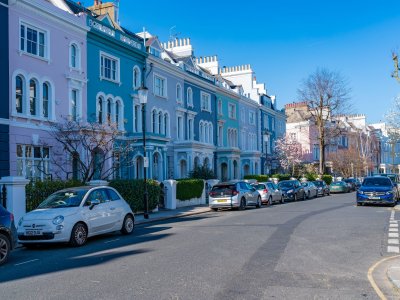
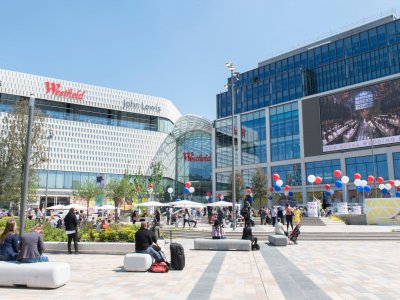
The journey starts at Hammersmith, a bustling transport hub. The train weaves through West London’s vibrant neighbourhoods, stopping at Goldhawk Road and Shepherd’s Bush, home to the massive Westfield shopping centre. You will pass through the trendy areas of Latimer Road and Ladbroke Grove, famous for the Portobello Road Market, before reaching Paddington, the gateway to the West Country (and home to a certain bear).
The Northern Arc
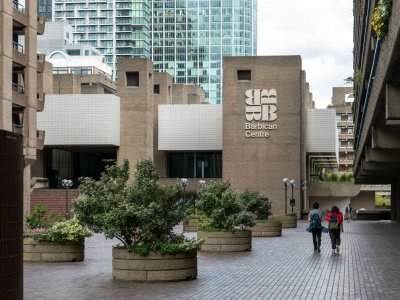
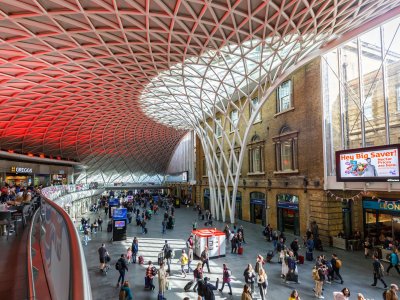
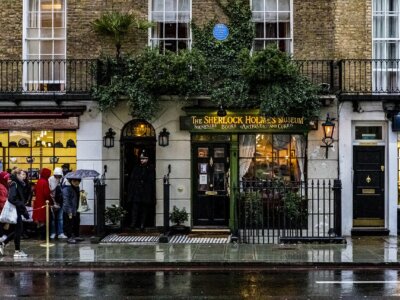
After changing direction at Edgware Road, the train heads east. This section is steeped in history; the stretch between Paddington and Farringdon was the world’s first underground railway, opened in 1863. You will stop at Baker Street (for Madame Tussauds and Sherlock Holmes) and King’s Cross St Pancras. The route then cuts through the City of London, stopping at Barbican and Liverpool Street.
The City and River
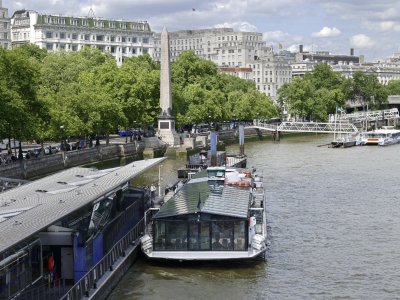
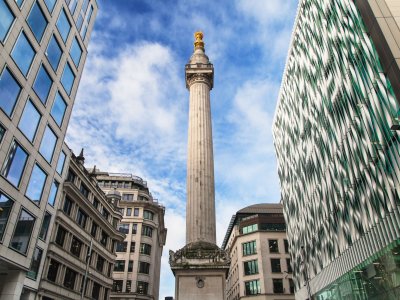
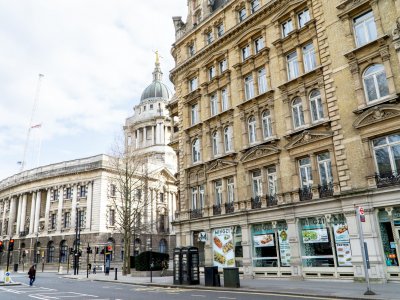
Curving south, the line hits Aldgate and Tower Hill. This is a highlight stop: you walk out directly opposite the Tower of London and Tower Bridge. The line then runs parallel to the River Thames. Stops like Monument, Cannon Street, and Blackfriars offer easy access to the City’s financial district and St Paul’s Cathedral.
The Royal Route
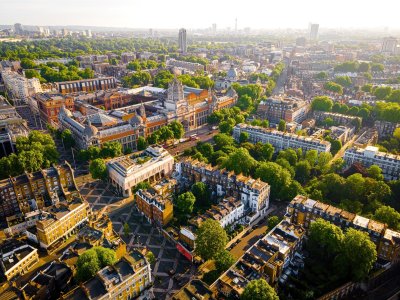
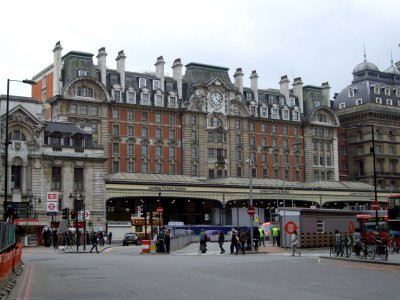
Moving west along the river, you reach Embankment and Westminster—the latter exiting directly beneath Big Ben and the Houses of Parliament. The line continues through the affluent districts of St James’s Park, Victoria, and Sloane Square. Finally, you hit the “Museum Quarter” at South Kensington, before heading up through High Street Kensington and Notting Hill Gate to complete the circle back at Edgware Road.
When does the route run
The Circle Line is a workhorse of the London network, running daily.
- Monday to Saturday: Trains generally run from around 05:00 until 00:30.
- Sundays: Services start slightly later, around 07:00, and finish around 23:30.
Service frequency and connections
On the main sections of the route, you generally won’t wait long.
- Frequency: Trains run roughly every 10 minutes. However, because the Circle Line shares tracks with the District, Hammersmith & City, and Metropolitan lines, there is a train of some kind every couple of minutes at most stations.
- Connections: The connectivity is unrivalled. You can switch to the Elizabeth Line at Paddington, Farringdon, and Liverpool Street; catch the Eurostar at St Pancras; or connect to the Gatwick Express at Victoria.
Value for money
Travelling on the Circle Line is highly cost-effective compared to private sightseeing buses.
- Fare Zones: The entire route falls within Zone 1 (except the Hammersmith tail which enters Zone 2).
- Capping: If you use an Oyster card or contactless payment, your fare is “capped” daily. This means you can hop on and off as many times as you like for a fixed maximum price (currently around £8.50 for Zone 1-2), making it incredibly cheap for a full day of sightseeing.
Top tips for the journey
- Mind the “Fake” Circle: Remember that trains from Hammersmith terminate at Edgware Road. If you want to continue looping around, you might need to change trains at Edgware Road. Listen to the announcements!
- Avoid Rush Hour: Between 07:30–09:30 and 17:00–19:00, the line is packed with commuters. Travel between 10:00 and 16:00 for a relaxed seat and room to breathe.
- Check the Board: Since the line shares tracks, make sure you board a “Circle Line” train (yellow on the display) if you want the full loop. If you just need to get from Tower Hill to Westminster, a District Line (green) train will do the exact same job.
Planning a day out on this route
You could easily build a whole holiday around this single line. Here is a sample “Circle Line Saturday”:
- Morning: Start at Baker Street for a coffee and a quick visit to Regent’s Park.
- Midday: Head east to Farringdon to explore the historic clerical area, or continue to Tower Hill for a walk across Tower Bridge.
- Afternoon: Loop around to South Kensington. Here you can lose yourself in the V&A, the Science Museum, or the Natural History Museum—all accessed via a subway tunnel from the station.
- Evening: Finish at Sloane Square for dinner in Chelsea, or head to Westminster to see Parliament lit up at night.
Year-round appeal
While open-top buses are miserable in the rain, the Circle Line is perfect all year round. In the winter, the stations offer shelter from the British drizzle. In the summer, the air-conditioned carriages provide a cool sanctuary from the sweltering city heat. Whether you are a first-time tourist or a seasoned local, the Circle Line remains one of the best ways to discover the magic of London.