The Buxton Line: From City Skyline to Peak District Peaks
If you are looking for a railway journey that perfectly captures the diversity of Northern England, the Buxton Line is it. In the space of just one hour, this route transports you from the hyper-modern bustle of Manchester’s city centre, over Victorian engineering marvels, and deep into the rolling green hills of the Peak District.
Operated by Northern, this line isn’t just a commuter artery; it is a narrative of escape. Whether you are a hiker looking for the high ground, a history buff hunting for industrial heritage, or simply someone who enjoys watching the world change through a train window, this route delivers in spades.
What makes this route special
The true magic of the Buxton Line lies in its gradient—both physical and atmospheric. You start surrounded by glass skyscrapers and end up in a Georgian spa town that feels a world away.
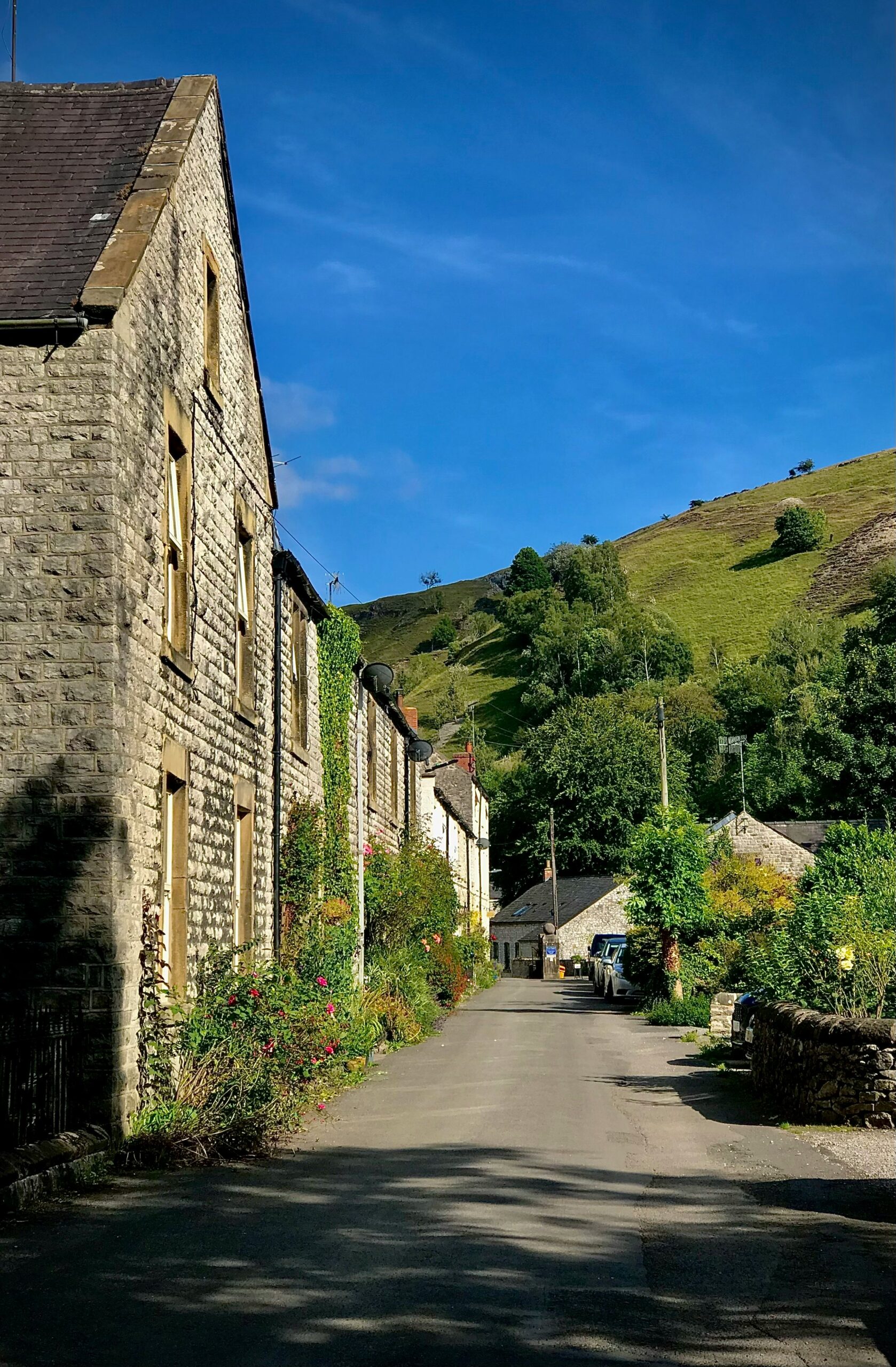
The transition is stark and beautiful. One moment you are trundling through red-brick suburbs, and the next, the horizon bursts open to reveal the rugged moorlands of Derbyshire. It is a masterclass in “looking out the window,” offering a front-row seat to the changing landscapes that define the North.
A journey through key locations
The route serves a fascinating mix of urban hubs and rural retreats. Here is what you can expect as you travel south from the city.
The Urban Exit
The journey begins at Manchester, departing from the busy Piccadilly station. As the train winds its way out of the city, you’ll pass through Levenshulme and Heaton Chapel before hitting the first major highlight: Stockport.
Arrival at Stockport is nothing short of dramatic. The train crosses the colossal Stockport Viaduct, one of the largest brick structures in the world. From this vantage point, you are treated to commanding views over the River Mersey and the town below—a true titan of the Victorian railway age.
The Suburban Climb
Leaving the viaduct behind, the line heads through the leafy suburbs of Davenport and Woodsmoor. By the time you reach Hazel Grove, you can feel the engine working a little harder. This is the borderland where the city finally gives way to the countryside.
The Gateway to the Peaks
As you cross into the High Peak, the scenery shifts gears. Disley is a favourite stop for walkers, sitting on the doorstep of the National Trust’s Lyme Park. If you look sharply out the window to the left (heading south), you might catch a glimpse of the Cage, a hunting tower standing proud on the hill.
Next is New Mills Newtown. This historic town is famous for its Millennium Walkway, a stunning bridge hovering over the river gorge—a perfect example of how industry and nature coexist here.
Into the Hills
The line continues to climb through Furness Vale and into Whaley Bridge. This is a top spot for those who love water; the town is the terminus of the Peak Forest Canal, and the historic Transshipment Warehouse is a reminder of the days when goods were swapped from rail to barge.
Pressing on, you reach Chapel-en-le-Frith, dubbed the ‘Capital of the Peak’. From here, the landscape becomes wilder and more open.
The High Point
Before the final descent, the train stops at Dove Holes. This is one of the highest railway stations in England. The air is crisper here, and the view is one of stark, limestone beauty. It’s a quiet, atmospheric spot that signals you have truly conquered the climb.
Arrival in Spa Country
Finally, the train curves into Buxton. Stepping off here feels like entering a different era. The town, famous for its thermal springs and Georgian architecture, welcomes you with the elegance of the Crescent and the Opera House. It is a grand finale to a scenic hour.
When does the route run?
The Buxton Line is a year-round staple, running seven days a week. Whether it’s a crisp winter morning with snow dusting the peaks or a bright summer Saturday perfect for a picnic, the service is reliable.
Northern operates the services, usually providing a train every hour in both directions. During peak times, there are often additional services to help with the commuter flow, but for the leisure traveller, the hourly clock-face schedule makes planning easy.
Value for money and tickets
Train travel in the UK can be pricey, but this line offers good value, especially given the distance covered.
- Advance Tickets: If you book a few weeks ahead via the Northern website or app, you can often snap up very cheap singles.
- Duo Tickets: If two of you are travelling together, look out for ‘Duo’ tickets, which offer a discount for pairs travelling off-peak.
- Derbyshire Wayfarer: If you plan to explore the Derbyshire end of the line (from New Mills southwards) and want to hop on buses too, the Derbyshire Wayfarer ticket is a fantastic investment. It covers trains and buses throughout the county for a full day.
Top tips for the journey
- Sit on the left: When travelling from Manchester to Buxton, try to grab a window seat on the left-hand side. You’ll get the best view of the ‘Cage’ at Lyme Park and the sweeping vistas of the Goyt Valley.
- Dress in layers: Manchester might be mild and rainy, but Dove Holes and Buxton are significantly higher up. It’s not uncommon for it to be several degrees colder in Buxton than in the city, so bring a jumper!
- Check the stopping pattern: Most trains stop at all stations, but some express services might skip the smaller stops like Middlewood or Dove Holes. Always check the display boards.
Planning a day out on this route
For a perfect Saturday, take the morning train to Whaley Bridge. Spend an hour walking along the canal basin and grab a coffee at a waterside café. Hop back on the train for the short hop to Buxton. Spend your afternoon exploring Poole’s Cavern or relaxing in the Pavilion Gardens, before enjoying a hearty meal in a local pub.
The return journey to Manchester in the evening, watching the sun set over the Cheshire Plain from the train window, is the perfect way to end the day.
Year-round appeal
This route doesn’t shut down for the seasons; in fact, it improves with them. Spring brings lambs to the fields around Chapel-en-le-Frith; summer opens up the beer gardens in Whaley Bridge; autumn turns the woods around Disley a fiery orange; and winter gives Buxton a Dickensian charm that is hard to beat.
So, leave the car at home. The Buxton Line isn’t just a way to get from A to B—it’s an invitation to explore the best of the North, one stop at a time.