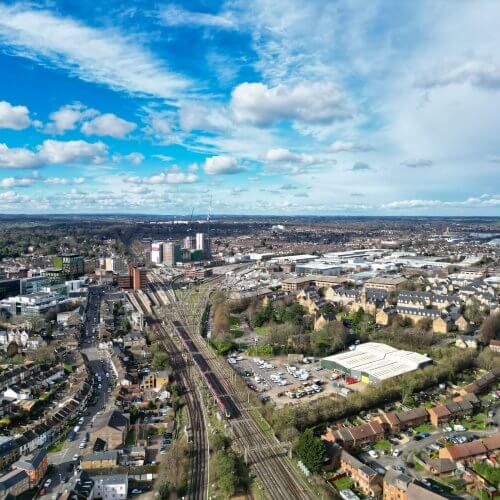
There is perhaps no railway line in London more steeped in romance and history than the Metropolitan line. It is the grandfather of the Underground, the line that started it all, and the creator of “Metro-land”—that charming band of countryside-turned-suburbia that John Betjeman famously eulogised.
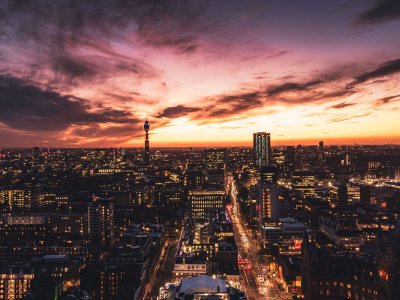
Travelling from Aldgate in the City of London all the way to Watford in Hertfordshire, this route offers a fascinating cross-section of English life. You begin in the architectural density of the financial district, weave through the literary and academic hubs of central London, and emerge into the rolling hills and Art Deco architecture of the north-west suburbs.
What makes this route special
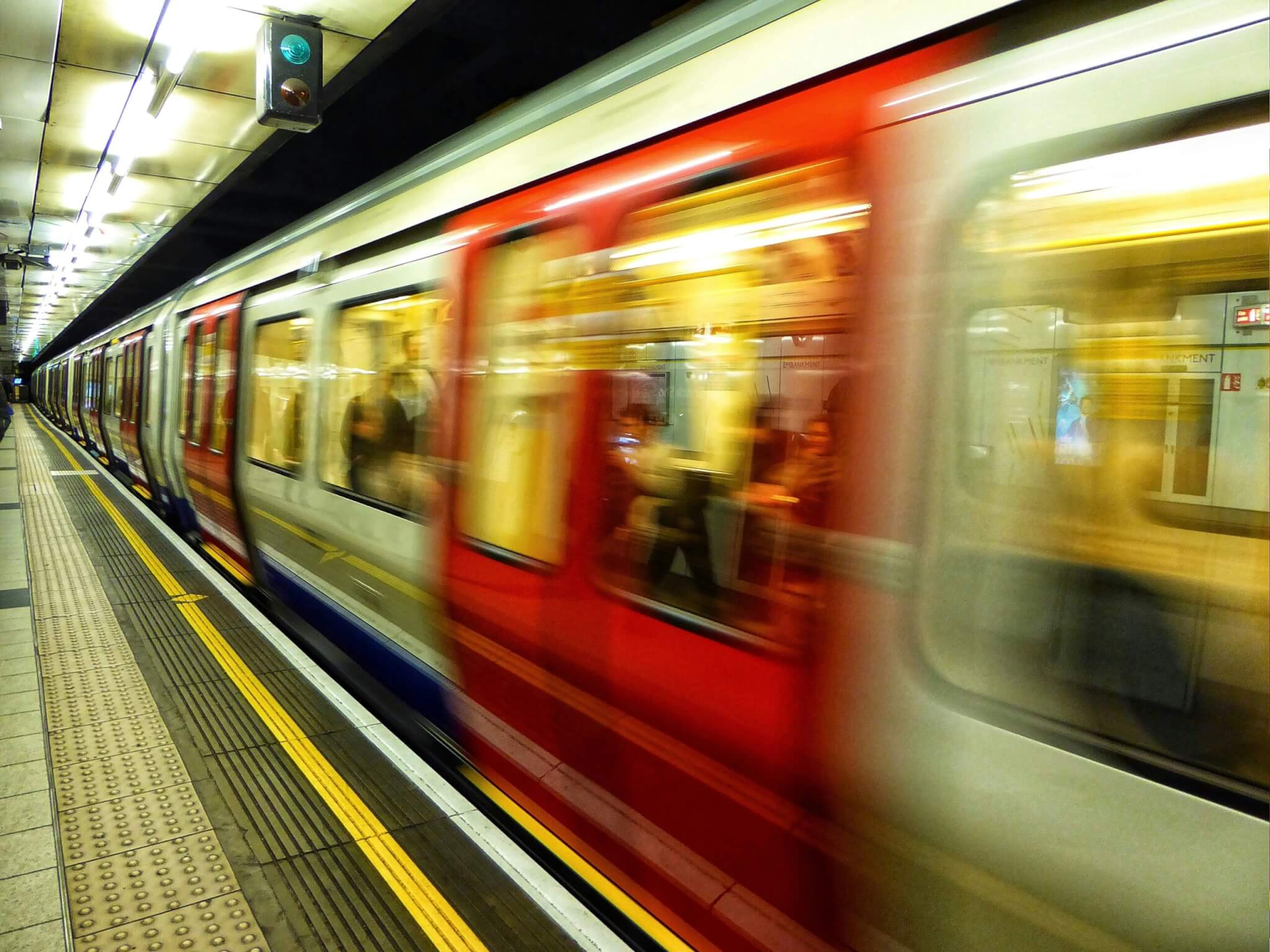
Unlike the deep-level tube lines that spend their time tunnelling through the dark, the Metropolitan line feels more like a main line railway. It uses the spacious, air-conditioned “S Stock” trains—the ones with walk-through carriages and generous windows—making it one of the most comfortable rides on the network.
But the real magic lies in the transition. In less than an hour, you swap the steel and glass of skyscrapers for the ancient woodland of Cassiobury Park. It is a route that tells the story of London’s expansion, passing through Victorian tunnels and over Edwardian viaducts, offering a window into the diverse communities that make up the capital.
Route breakdown: from city spires to leafy shires
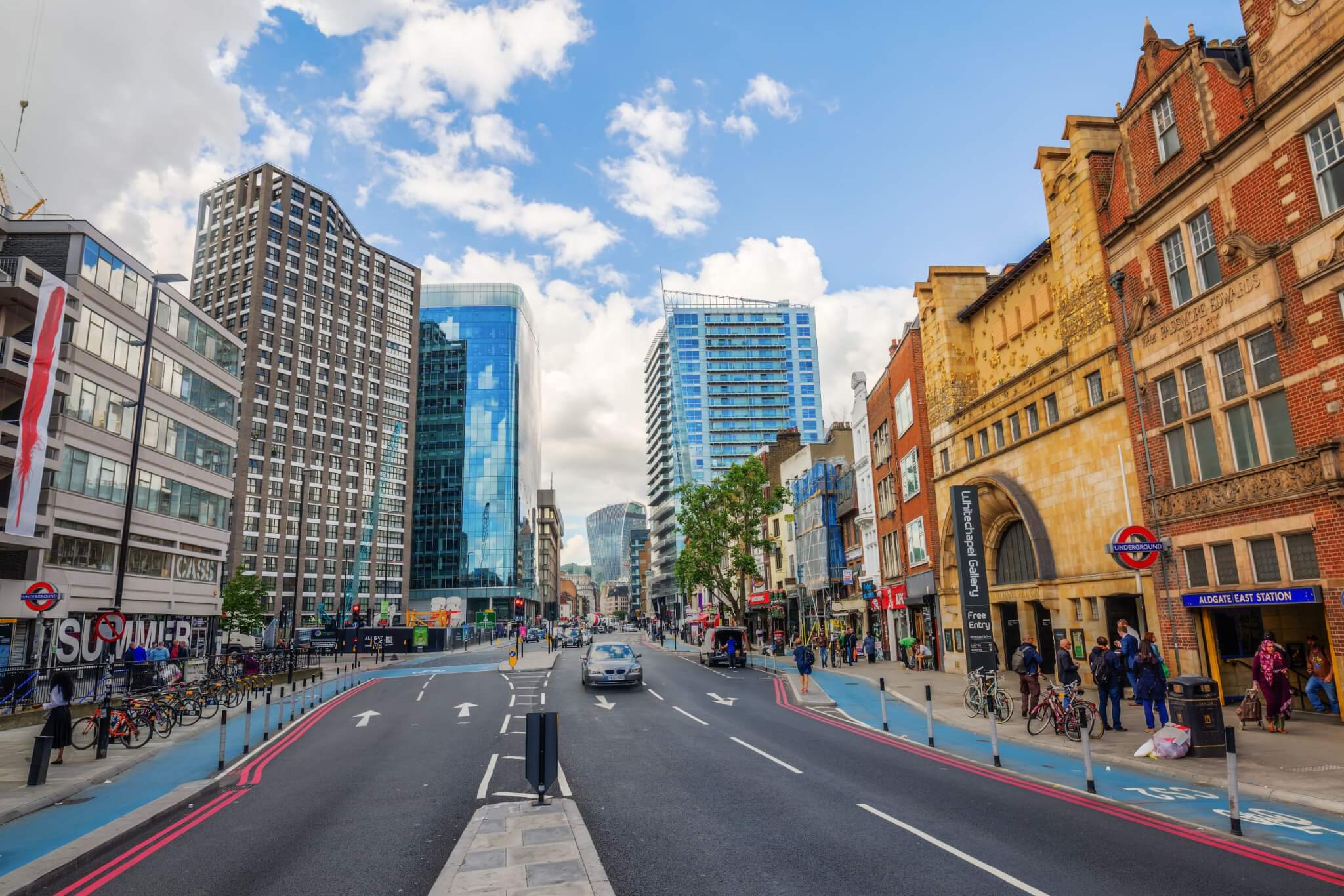
The journey begins at Aldgate, on the eastern edge of the City. Steeped in history, this area is a melting pot of old London markets and slick modern offices.
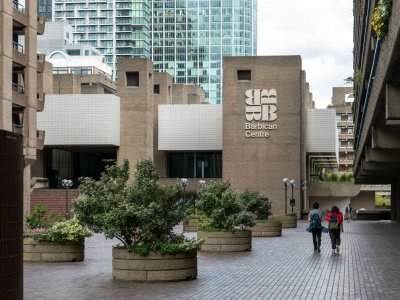
Leaving the terminus, the train dives underground to serve the business heavyweights. Liverpool Street and Moorgate are bustling interchanges, while Barbican serves the brutalist architectural icon that houses one of London’s best cultural centres.
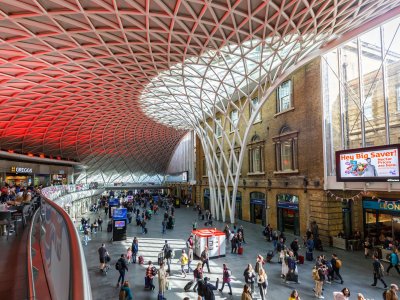
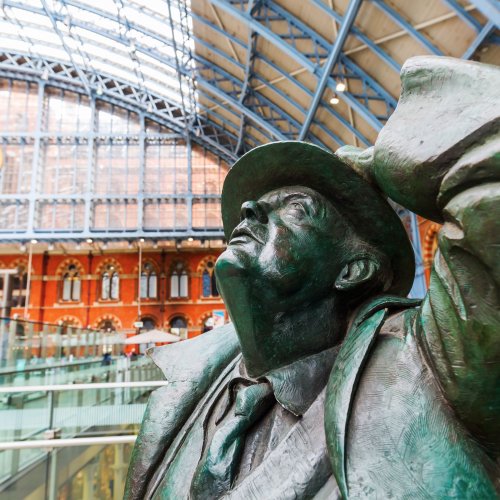
As you head west, you pass through Farringdon—the heart of the original 1863 railway—and into the grand railway lands of King’s Cross and St Pancras. If you look closely at the brickwork here, you are looking at the engineering that defined the Victorian era.
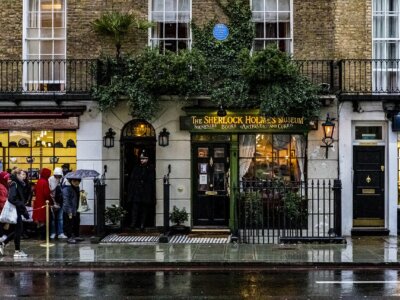
After Euston Square and Great Portland Street, the train arrives at the world-famous Baker Street. Restored to look much as it did in Sherlock Holmes’ day, the platforms here are an attraction in themselves.
Emerging into the light
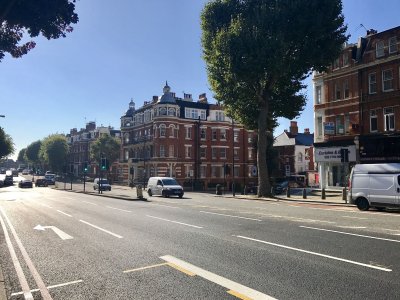
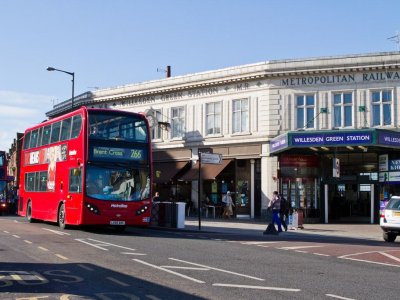
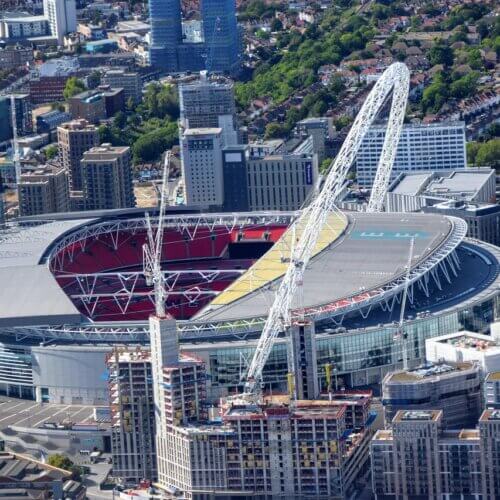
After Baker Street, the line speeds up. You pass Finchley Road, a key interchange for north London shopping, before the view opens up significantly. While the line shares a corridor with the Jubilee line here (passing Willesden Green), the Metropolitan line trains really stretch their legs, whizzing you towards the iconic arch of Wembley Stadium.
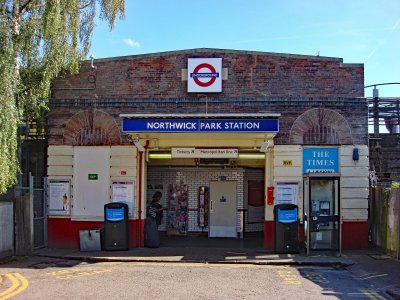
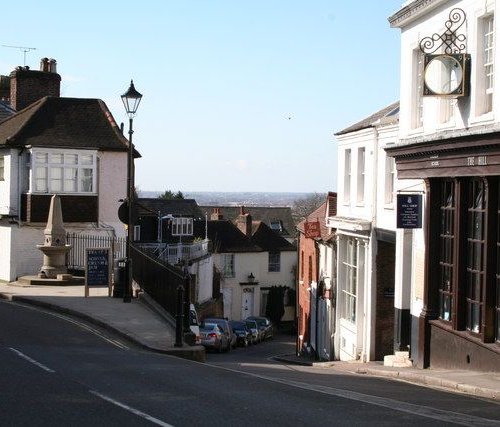
Wembley Park is a showstopper of a station, built to handle stadium crowds. From here, the route becomes truly suburban. Stops like Preston Road and Northwick Park serve quiet residential streets before the train climbs towards the stunning vista of Harrow-on-the-Hill. The famous Harrow School sits atop the hill, visible from the train, offering one of the finest views in Greater London.
The Watford branch
Here the line splits. We take the branch heading north through the “Metroland” heartlands. North Harrow, Pinner, and Northwood Hills are delightful examples of 1930s suburban planning—leafy, spacious, and distinct. Pinner, in particular, retains a medieval village feel with its historic high street.
As you pass Northwood and cross the border into Hertfordshire near Moor Park, the surroundings become decidedly green. The line curves away from the Amersham route, stopping at Croxley—look out for the beautiful garden city architecture here—before terminating at Watford.
Note: The Metropolitan line station is simply called “Watford” and is located near Cassiobury Park, not to be confused with Watford Junction which is in the town centre.
When does the route run?
The Metropolitan line is a workhorse of the network, running seven days a week.
- Mon-Sat: Services generally run from around 05:15 until past midnight.
- Sunday: Services start slightly later, around 06:45, winding down before midnight.
Service frequency and connections
This is a high-frequency route, though it is important to check the destination on the front of the train.
- Core Section: Between Aldgate and Baker Street, trains run every few minutes.
- The Branch: Trains specifically to Watford usually run every 10 to 15 minutes off-peak.
- Connections: This route connects with almost every other line. Key changes include the Elizabeth line at Liverpool Street and Farringdon, and the Jubilee line at Finchley Road or Wembley Park.
Value for money
Because the Metropolitan line is part of the Transport for London (TfL) network, it offers exceptional value compared to national rail fares, especially for the distance covered.
- Zones: The route spans Zone 1 (Aldgate) to Zone 7 (Watford).
- Payment: You can use Oyster cards, or simply tap in and out with a contactless bank card or mobile device.
- Capping: Your fare is capped daily, meaning once you have travelled enough to hit the limit, any further journeys that day are free. This makes it perfect for a day of hopping on and off to explore.
Top tips for the journey
- Check the Board: At the central London platforms, ensure you board a train marked Watford. Trains to Uxbridge, Amersham, or Chesham will take you on different adventures!
- The Window Seat: Between Finchley Road and Wembley Park, try to sit on the right-hand side (facing the direction of travel) for a brief glimpse of the Chiltern hills in the distance on a clear day, or the left for a great view of Wembley Stadium.
- Use the Toilets: Unlike many tube lines, the newer stations on the outer reaches (like Watford and Harrow-on-the-Hill) have toilet facilities, which is handy for longer trips.
Planning a day out on this route
The Metropolitan line is essentially a “day out” ready-made. Here is a suggested itinerary:
- Morning: Start at Baker Street. Visit the Sherlock Holmes Museum or take a quick stroll in Regent’s Park.
- Lunch: Hop on the train to Pinner. It is one of the prettiest stops on the line. Walk up to the High Street to find a cluster of independent cafes and historic pubs dating back centuries.
- Afternoon: Continue to the end of the line at Watford. The station is a short walk from Cassiobury Park, a massive Green Flag award-winning park. It is perfect for a woodland walk or a picnic by the Grand Union Canal.
- Evening: Head back towards the city, perhaps stopping at Wembley Park if there is an event on, or going all the way to Barbican for an evening concert or theatre show.
Year-round appeal
While the leafy suburbs are beautiful in the spring and summer, this route has a distinct cosiness in the winter. The S Stock trains are brightly lit and warm, and seeing the glow of the suburban houses or the lights of the City from the viaducts creates a lovely atmosphere. Whether you are commuting or exploring, the Metropolitan line to Watford offers a reliable, scenic, and historic ride through the heart of north-west London.